

POS receipt printers typically use a continuous roll of paper. Once printing is complete, a built-in automatic cutter quickly trims the receipt, making it immediately available for customer use. This automated process offers greater efficiency than manual tearing and produces clean, attractive edges that enhance the receipt's texture.
It is well known that almost all 80 mm (3 inch) thermal printers on the market are equipped with an automatic cutter function. Auto cutter POS printers offer the following features and benefits:
1.Increased efficiency:
Auto Cutter cuts printed paper quickly and accurately, saving time and labor costs associated with manual cutting. Especially in batch printing scenarios, the Auto Cutter significantly improves printing efficiency.
2.Aesthetic and clean:
With the Auto Cutter, printed paper can be cut into neat shapes, making print results more aesthetically pleasing and neat, in line with professional requirements.
3.Improved user experience:
The Auto Cutter feature makes it easier and more convenient for users to use thermal printers without having to manually intervene in cutting operations, reducing the possibility of errors.
4.Diversified applications:
The presence of an auto cutter allows thermal printers to be used in a wider range of scenarios, such as receipt printing, label printing, ticket printing, etc. The auto cutter feature allows the printer to adapt to different paper sizes and shapes.
2.Auto Cut Thermal Receipt Printer provides two main cutting modes: partial cut and full cut.
2.1Partial Cut Mode:
In partial cut mode, the thermal printer cuts the receipt into pieces, leaving a small attached tab. This design prevents receipts from falling to the floor, making them easy to grab and keeping the work area tidy. Partial cut mode is ideal for environments that require continuous printing, such as food service and retail.
2.2Full cut mode:
Full cut mode completely cuts printed receipts and separates them from the roll, creating individual, complete receipts ideal for immediate distribution or filing. This mode is critical in scenarios such as self-service terminals and banks, where each receipt must be available to the user in a timely manner.
If you have any interest or query during the selection or use of any barcode scanner, please Click the link below send your inquiry to our official mail (admin@minj.cn) directly! MINJCODE is committed to the research and development of barcode scanner technology and application equipment, our company has 14 years of industry experience in the professional fields, and has been highly recognized by the majority of customers!
3.How to choose a thermal printer with auto cutter?
When purchasing a receipt printer with an auto cutter, the first thing to consider is the cutter mode. Some basic printers may only offer one mode, so it's important to double check the printer's specifications. In addition, the quality of the automatic cutter is critical. The cutter should be durable and reliable, especially in high-traffic environments such as large retail stores and supermarkets.
Low-quality cutters can cause problems such as uneven cuts and jams, which can increase the need for maintenance and reduce efficiency. Choosing a printer with a high-quality cutter can increase efficiency and reduce the potential for problems.
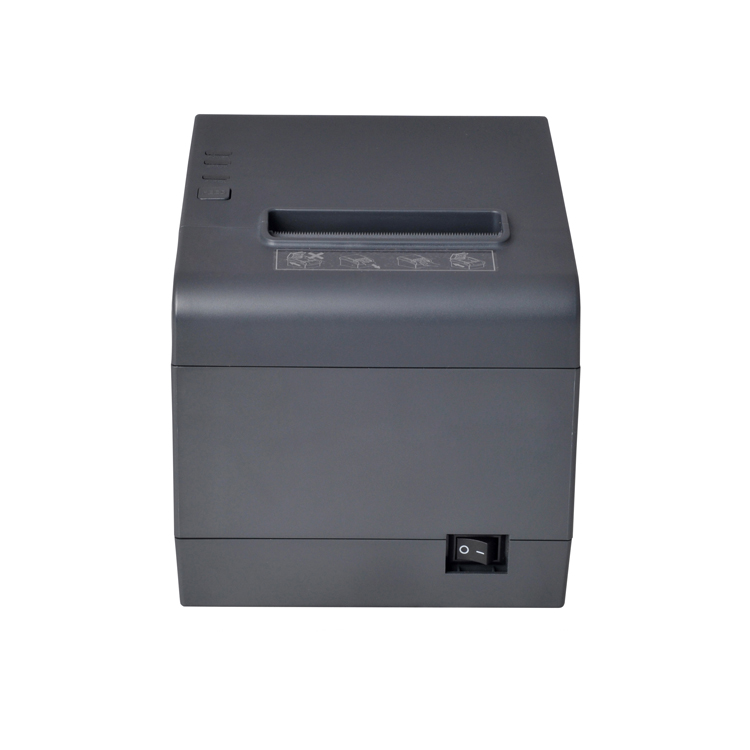
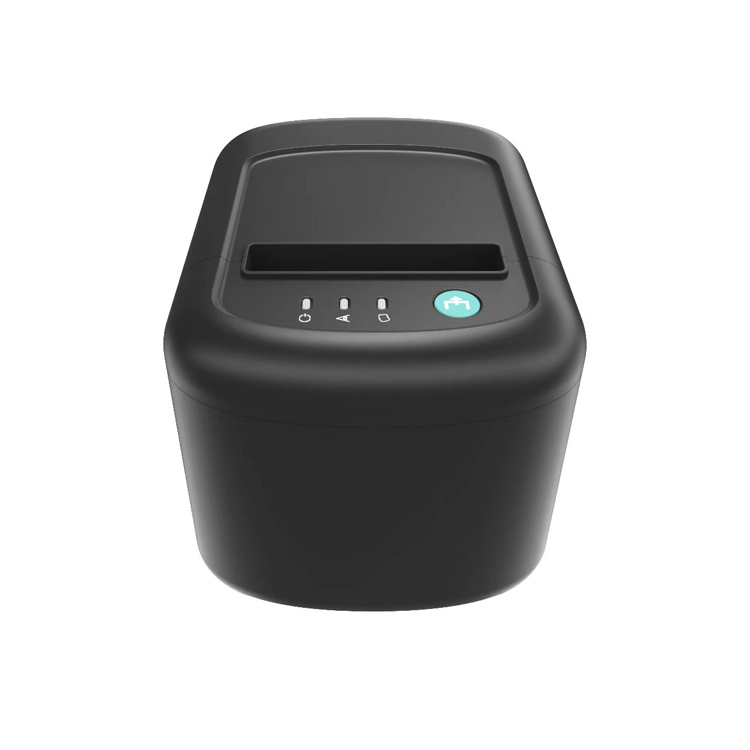
MINJCODE offers 80mm receipt printers with an automatic cutter that can be customized in bulk and shipped directly from the factory at competitive prices. Feel free to contact us!
Phone: +86 07523251993
E-mail: admin@minj.cn
Official website: https://www.minjcode.com/
If You Are in Business, You May Like
Recommend Reading
Post time: Apr-29-2024