

A thermal printer is a type of printer that uses heat to transfer images or text onto paper or other materials. This type of printer is typically used in applications where printouts need to be durable and resistant to fading or smudging.
There are two main types of thermal printer: direct thermal and thermal transfer. Direct thermal printers use thermal paper coated with a special thermal layer. When heat is applied to the paper, the thermal layer reacts and changes colour to create a printed image or text. Direct thermal is often used to print receipts, labels and tickets.
Thermal transfer printers use ribbons coated with ink or wax. When heat is applied to the ribbon, the ink or wax melts and transfers to the paper or label material to create a printed image or text. Thermal transfer printing is typically used in applications that require more durable prints, such as industrial environments.
1.Advantages of thermal printers:
I. Low cost
Thermal printers typically have low initial investment and running costs as they do not require consumables such as ink cartridges or ribbons.
2.Low noise
Compared to inkjet or dot-matrix printers, thermal printers are typically quieter and do not produce noticeable noise.
3.Low maintenance
Due to their relatively simple construction, thermal printers have lower maintenance costs and require relatively little maintenance and cleaning.
4.High speed printing
Thermal receipt printers can achieve high speed printing, suitable for occasions where high volume printing is required, such as label printing on production lines.
5.Low power consumption
Thermal printers usually have low power consumption, energy saving and environmental protection has certain advantages.
If you have any interest or query during the selection or use of any barcode scanner, please Click the link below send your inquiry to our official mail (admin@minj.cn) directly! MINJCODE is committed to the research and development of barcode scanner technology and application equipment, our company has 14 years of industry experience in the professional fields, and has been highly recognized by the majority of customers!
2.How do I use a thermal printer?
1.Load the thermal paper into the printer, making sure it is in the correct orientation and position.
2.Connect the thermal printer to a power source and turn it on.
3.If a computer or other device needs to be connected, connect the thermal printer to the device.
4.Confirm the print settings by opening the content to be printed and selecting the print option.
5.After confirming that the printer is ready, give the print command and wait for the print to complete.
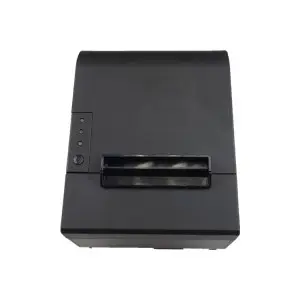
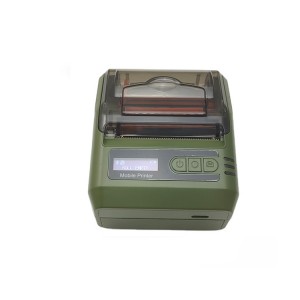
3.Recommended Products
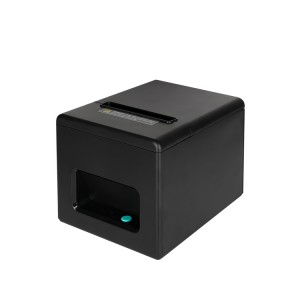
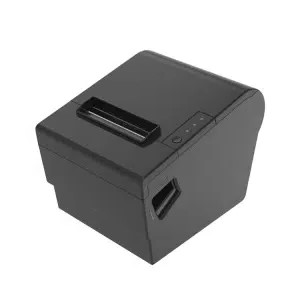
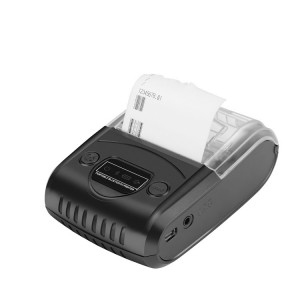
In summary, thermal printing is a popular printing technology used in a wide range of applications. It offers many advantages over traditional printing methods, including speed, efficiency, durability and environmental friendliness. Despite some limitations, thermal printing remains a reliable and cost-effective printing solution for many businesses and industries.
If you have any questions about how to choose the right thermal printer for your needs, please feel free to contact us. Our team will be happy to provide further information and assistance to ensure you find the professional thermal printer for your business needs.
Phone: +86 07523251993
E-mail: admin@minj.cn
Official website: https://www.minjcode.com/
If You Are in Business, You May Like
Recommend Reading
Post time: Jan-15-2024