Bulk Wholesale High-Quality Grocery Store Barcode Scanners
As a reputable company, we take pride in our expertise and experience as a barcode scanner maker. Our commitment to innovation and quality has made us a trusted supplier in the industry. With our advanced technology and extensive product range, we offer a comprehensive selection of supermarket barcode scanners that deliver exceptional precision and efficiency in scanning barcodes of various types.
MINJCODE factory video
We are a professional manufacturer dedicated to producing high-quality barcode scanner for grocery store .Our products cover barcode scanner of various types and specifications. Whether your needs are for retail, medical, warehousing or logistics industries, we can provide you with the perfect solution.
In addition, the professional technicians in our team pay great attention to the performance of the printer, and constantly upgrade and innovate to meet the changing needs of customers. We are committed to providing the best service and support to ensure that every customer has the best experience possible.
Types of Barcode Scanners in Grocery Store
Grocery store utilize various types of barcode scanners, differing in size, functionality, and application.
1. Handheld Scanners
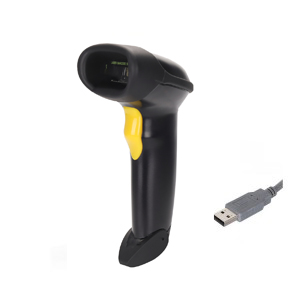
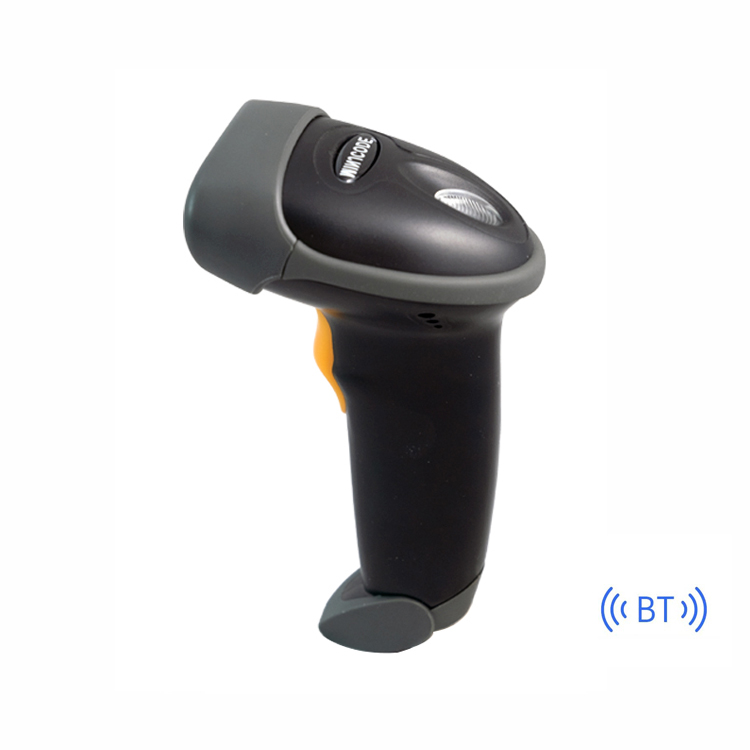
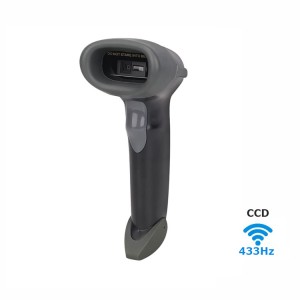
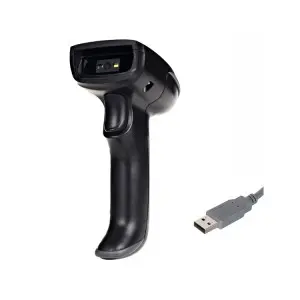
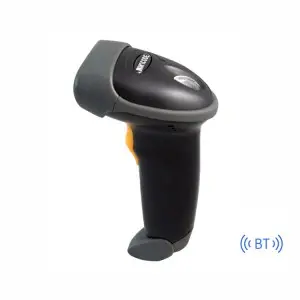
Handheld 1D or 2D scanners read UPC and EAN barcodes, typically available in wired and wireless versions. Their flexibility and portability make them suitable for diverse scenarios, proving particularly practical at checkout counters and for inventory management.
2. Mobile Scanners
Mobile scanners are typically smartphones or tablets equipped with scanning applications. These devices are invaluable for tasks like receiving inventory and conducting stock audits, enabling operations beyond the checkout counter to boost efficiency.
3. Desktop Scanners
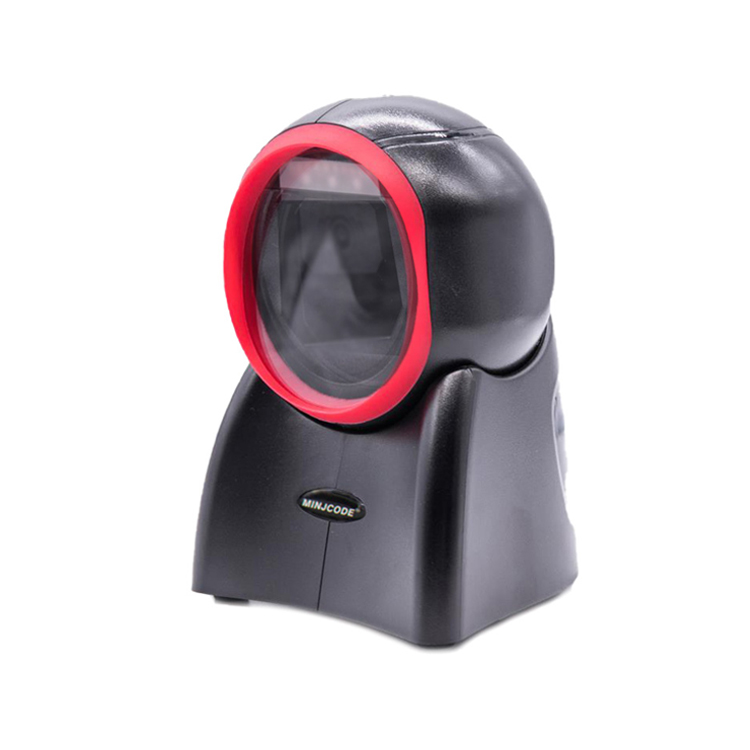
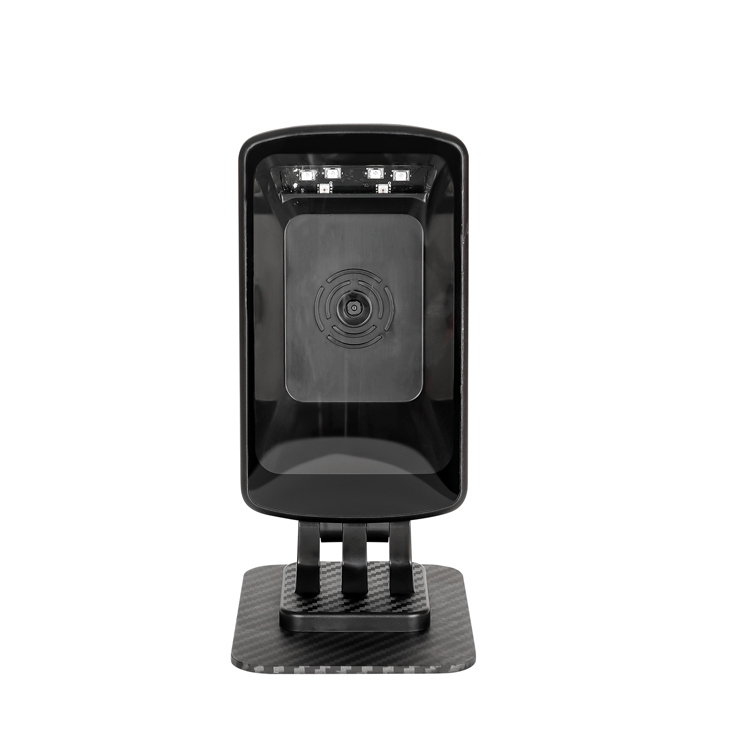
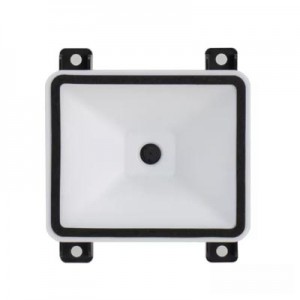
Desktop scanners are mounted at checkout counters, enabling cashiers to process transactions hands-free. Customers simply align barcodes or QR codes with the scanner for instant recognition. This type of scanner significantly speeds up checkout and improves the customer experience.
Hot Models
| Products | MJ2806 | MJ2880 | MJ9320 |
MJ2860 | MJ3690 |
| Picture | ![]() |
|
![]() |
![]() |
|
|
Resolution |
3.3mil |
4mil |
3mil |
4mil | 4mil |
|
Light Source |
650nm visual laser diode |
630nm LED |
Red color LED |
White Light |
Red color LED |
|
Environemental Sealing |
IP54 |
IP54 |
IP54 |
IP54 | IP54 |
|
Dimension |
169*61*84mm |
168*64*92mm |
96.7mm*104mm*145mm |
101*49*23mm |
140.20mm x 84mm x 90.10mm |
| Material | ABS+PC |
ABS+PC |
ABS+PC |
ABS+PC |
ABS+PC |
If you have any interest or query during the selection or use of any barcode scanner , please Click the link below send your inquiry to our official mail (admin@minj.cn) directly! MINJCODE is committed to the research and development of bar code scanner technology and application equipment, our company has 14 years of industry experience in the professional fields, and has been highly recognized by the majority of customers!
Supermarket Barcode Scanner Reviews
Lubinda Akamandisa from Zambia:Good communication, ships on time and product quality is good. I recommend the supplier
Amy snow from Greece:very good supplier that is good at communication and ships on time
Pierluigi Di Sabatino from Italy:professional product seller received great service
Atul Gauswami from India:Supplier commitment she full full in a time and very good approached to customer .quality is really good .i appreciate work of team
Jijo Keplar from United Arab Emirates:Great product and a place where customer requirement is completed.
angle Nicole from United Kingdom:This is a good purchasing travel, I got what I expired. That is it. My clients give all “A” feedback, thinking I would order again in the near future.
Key Features of Our Supermarket Barcode Scanners
Compatibility with All Barcode Types, Covering Every Retail Scenario Supports precise recognition of both one-dimensional (1D) and two-dimensional (2D) barcodes, compatible with mainstream formats including UPC product codes, EAN international codes, and QR codes commonly used in supermarkets. Whether scanning 1D barcodes on packaged foods or 2D barcodes on promotional e-coupons, the retail barcode scanner them instantly without mode switching, eliminating checkout delays caused by barcode incompatibility.
High-Speed Recognition in Extreme Conditions, Eliminating Queues. Equipped with a high-definition imaging recognition chip and intelligent lighting technology, the device addresses issues like blurred, bent, or low-brightness barcodes. Recognition speed reaches 3 scans per second with accuracy consistently above 99.9%. Even wrinkled or damaged barcodes are accurately captured, significantly reducing checkout time per customer and alleviating queue pressure during peak hours.
Multi-Interface Flexibility for Diverse Layouts
Offers USB, RS232, and wireless interfaces to adapt to various supermarket checkout configurations:
- USB: Plug-and-play for fixed registers
- RS232: Compatible with legacy POS systems and inventory devices
- Wireless: Supports mobile tablets and handheld terminals for temporary checkout and inventory audits
Durable Construction for High-Frequency Use The device housing utilizes impact-resistant ABS material with a scratch-resistant, wear-resistant surface, withstanding drops from up to 1.5 meters. Keys and scanning windows employ high-lifespan components, maintaining stable performance after 3 years of continuous use to reduce maintenance costs and downtime.
Optional stand enables “hands-free scanning” For heavy items like bottled beverages and bagged rice, a dedicated stand accessory secures the supermarket POS scanner hardware above the counter. Cashiers simply align product barcodes with the scanning area—no two-handed operation required. This reduces hand fatigue while boosting checkout efficiency.
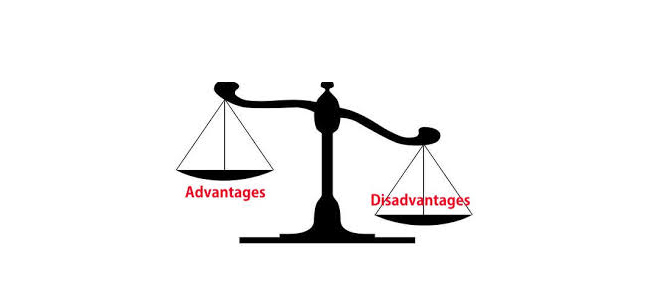
Advantages and Limitations of Barcode Scanners
1.Advantages
1.1Improve efficiency: With its fast and accurate scanning function, the barcode scanner greatly shortens the manual operation time, thus improving the efficiency of cashiering and allowing customers to enjoy a faster checkout experience.
1.2Reduce errors : The ability to automatically scan and recognize product barcodes greatly reduces the chance of manual input errors, effectively improving data accuracy and allowing supermarket managers to more reliably rely on data for decision-making and analysis.
1.3Real-time Inventory Updates: The real-time inventory update feature of the barcode scanner allows supermarket managers to easily understand the inventory status of their merchandise, avoiding inventory backlogs and stock-outs, thus providing better supply chain management and inventory control.
1.4Promotion Management: Supermarket scanners can be easily applied to promotion management. By scanning product barcodes, the system can automatically apply discounts, coupons and other promotional rules to enhance the execution of promotional activities, attract customers and increase sales.
2.Limitations
2.1Network dependent: The supermarket omni scanner needs to be connected to a computer or a cloud-based system in order to transmit and update , data. If there is a problem with the network, it may affect the effectiveness of the scanner.
2.2Merchandise label dependent: Bar code scanners require the correct barcode label on the merchandise in order to read the information. If the merchandise label is damaged, defaced, or unrecognizable, the barcode scanner may not function properly, requiring manual intervention or an alternative solution.
2.3Technical Requirements: Operating a barcode scanner requires a certain level of skill. Supermarket employees need to be trained to use the barcode scanner correctly and to process the scanned data. Employees who are unfamiliar with the operation process and system may need some time to adapt and master the skills.
Wholesale Solutions Tailored for Grocery Stores
1. Multi-Tier Minimum Order Quantity Policy
Small-batch trial: Minimum order of 10 units to reduce collaboration risk for new clients.
Standard wholesale: Tiered pricing available for orders of 50 units or more, with greater discounts for larger volumes.
Large-Volume Procurement: Dedicated account support for orders of 200 units or more, including customized payment terms and discounts.
As a professional wholesale barcode scanner supplier, we understand the diverse collaboration needs of different clients—such as supermarket chains, retail equipment distributors, and cross-border traders. To address this, we offer flexible wholesale policies and in-depth OEM/ODM customization services. From procurement thresholds to personalized product adaptation, we ensure efficient and stable cooperation throughout the entire process, enabling you to effortlessly obtain customized supermarket barcode reading equipment and wholesale supplies that meet your requirements.
2. Full-Spectrum OEM/ODM Customization
We offer deep OEM customization for supermarket barcode scanners—from aesthetics to functionality—to meet your brand differentiation and scenario adaptation needs. Core customization includes:
- Appearance Customization: Add brand logos and color schemes.
Interface Accessories: Add or remove interfaces and customize packaging as needed.
Transparent Customization Process: Requirement discussion → Proposal quotation → Sample production → Sample confirmation → Mass production, with progress updates throughout.
3. Efficient and Stable Supply
Our in-house factory produces over 10,000 units monthly, maintaining secure inventory for core components. Clear delivery timelines:
Standard Orders: 3-7 days
Light Customization: 7-10 days
Deep Customization: ≤20 days
4. Dual Assurance of Quality and After-Sales Support
We implement 12 factory inspection checks, achieving a failure rate below 0.1%, and hold CE, FCC, and ROHS certifications. We offer a 1-year warranty and 24-hour after-sales response to eliminate concerns during sales and usage.
Why B2B Buyers Choose Our Factory?
Building trust is paramount in corporate procurement decisions. We understand the challenges you face as a professional buyer, especially when selecting critical equipment like supermarket checkout systems. Below are our specialized solutions addressing core industry pain points.
Pain Point 1: Complex and Variable Supermarket Checkout Environments
Supermarkets present challenges like fluctuating lighting, irregular barcode placement, and high-intensity usage—conditions where standard scanning equipment struggles to maintain consistent performance.
Our Solution:
- High-sensitivity laser, CCD, and CMOS sensor technologies available.
- Professional anti-glare technology ensures accurate recognition even under direct bright light.
- High-speed scanning capability, reaching up to 200 scans per second.
- Wide-angle scanning design enables recognition without precise barcode alignment.
Pain Point 2: Compatibility Concerns
Different retailers use disparate POS systems, and device incompatibility can lead to extra costs and operational disruptions.
Our Solution:
Plug-and-play design supporting USB, serial port, keyboard port, and other interfaces.
Broad system compatibility with Windows, Linux, Android, and major POS systems.
Auto-detect configuration intelligently identifies system environments, eliminating complex setup.
Pain Point 3: After-Sales Support & Maintenance Assurance
Procurement teams prioritize device warranty coverage and repair timelines, as these directly impact business continuity.
Our Solution:
Extended warranty coverage: 1-2 years of comprehensive protection, significantly exceeding industry standards.
24-hour remote technical support: Professional engineers resolve issues online within 24 hours.
Spare parts provision: 1% spare parts included for orders exceeding 1,000 units.
Pain Point 4: Cost Control Pressure
Limited procurement budgets without compromising quality.
Our Solution:
Wholesale discounts with tiered pricing for bulk orders.
Customization based on actual usage scenarios to eliminate unnecessary expenses.
Overall cost control through high-quality products reducing future repairs and replacements.
Flexible payment options.
Boost operational efficiency and create compelling in-store experiences to achieve a return on investment.
Effortlessly scan, count, and track with grocery store scanners
Say goodbye to tedious manual inventory counts and hello to real-time inventory accuracy. Track products wherever they are with ease.
Scan Products--Once inventory information is updated, you'll instantly receive accurate stock data, ensuring decisions are based on the latest information.
Conduct inventory counts--Perform full or partial counts anywhere in your store without manual intervention, significantly boosting efficiency.
Inventory lookup feature--With powerful inventory lookup capabilities, instantly view product quantities across all stores and warehouses to guarantee data accuracy. This real-time visibility empowers managers to make faster decisions.
Using grocery scanners, you'll enhance operational efficiency, streamline inventory management, and ensure precise, up-to-date data.
Customer Success Stories
Case 1: A supermarket chain in Southeast Asia -- Improve efficiency by 30% to relieve checkout congestion
Background: 20 chain stores in Kuala Lumpur, Malaysia, often more than 10 people queuing up at the checkout counter on weekends, and it takes 4 minutes for a single customer to check out, and the grocery store barcode reader in the freezer area fails to work at low temperatures, resulting in even lower efficiency. The low temperature of the scanners in the cooler area made the efficiency even lower. Solution: Purchase 100 CMOS scanners (adapted to low temperatures) and 50 laser scanners, complete POS system compatibility testing, deploy to 20 stores in 3 days, and remotely train operations. Result: The scanning success rate in the freezer area was increased to 99.8%, the regular cashiering time was reduced to 2 minutes and 40 seconds, the overall checkout speed was increased by 30%, and the customer satisfaction rate was increased from 72 to 89 points, which resulted in continuous purchasing and recommendation.
Case 2: European Retailer - Customized Devices Reinforce Brand Recognition
Background: In the expansion of a German chain brand, generic scanners did not match the style of the stores, and the lack of brand identity affected trust. Solution: OEM customized white lettering logo scanners to optimize bulk food QR code recognition and provide EU compliance certification. Result: The device is integrated into the brand's vision, customers' favorability is enhanced by the details, the repurchase rate increases by 8%, and the proportion of new customers' first purchase increases by 12%, and more than 500 customized devices have been supplied. These cases prove that we can provide customized solutions for different needs and help solve the pain points of retail operations.
As a supermarket barcode reader supplier serving more than 500 retailers around the world, our products have landed in supermarket scenes in many regions. The following cases show how the equipment solves operational problems and proves the service strength.
Application Scenarios of Supermarket Barcode Scanner
1.Quick checkout at the cashier: Our grocery store scanner can easily scan the barcode of goods to enable quick checkout. Through high-speed scanning and accurate recognition, it significantly improves the efficiency of checkout and saves the time for both customers and store staff. You can easily handle large quantities of merchandise and ensure a smooth checkout experience.
2.Inventory Management and Tracking: Our supermarket handheld scanner can help you achieve accurate inventory management and tracking. By scanning product barcodes, the system can automatically update inventory quantities, reducing manual errors and saving time costs . At the same time, you can easily track the sales of goods and inventory status, replenish the needed goods in a timely manner , and avoid the problem of insufficient or excess inventory.
3.Promotion Management: Our supermarket barcode scanner can also be easily applied to promotion management. By scanning product barcodes, you can easily realize promotional activities such as discounts and coupons. This not only enhances your customers' purchasing experience, but also helps you achieve your sales target and improve your brand image. You have the flexibility to set up promotional rules to attract customers and increase sales.
4.Reduce queuing time: Supermarkets benefit from a streamlined checkout process that reduces queuing time. Our handheld scanners integrate advanced technology to help enable a more seamless and faster checkout process, which improves overall customer satisfaction. Customers can quickly scan product barcodes and complete payments quickly, reducing wait times and enhancing the shopping experience.
Supermarket barcode qr scanners are essential tools for the retail industry in providing fast and accurate data capture during the checkout process. These supermarket scanners are designed to streamline operations and improve customer satisfaction by efficiently scanning product barcodes with precision. With options such as laser, linear or area-imaging technologies, supermarket barcode scanners offer exceptional performance and durability in any environment. MINJCODE's range of universal supermarket barcode readers provides a reliable solution for supermarkets looking to enhance their checkout process with reliable barcode scanning technology.
Whether your application requires a quick reading performance, ease of installation and use, accuracy and reliability, MINJCODE has you covered.
Discover the right solution for your business
Contact us for more industry examples and customized solutions. Let our specialized experience support your business!
What Can Barcode Scanners Do for Your Grocery Store?
1. Cost Reduction: Directly Cut Operational Expenses Across Three Key Areas
Labor Costs: Grocery store barcode scanners boost checkout efficiency by 30%. One scanner handles the scanning workload of 1.5 employees. At an average daily wage of $15, annual labor savings can reach $8,000.
Inventory Costs: Real-time inventory updates reduce slow-moving stock by 20%, shortening inventory turnover days from 35 to 28 and freeing up tied-up capital.
Maintenance Costs: Constructed from impact-resistant ABS and PC materials with a 1-2 year warranty, average annual maintenance costs are under $50. With a lifespan exceeding 3 years, they minimize expenses from frequent replacements.
2. Revenue Growth: Boosting Sales in Two Key Scenarios
Customer Conversion: 40% shorter queue times and reduced customer abandonment rate from 15% to 5%. Average monthly revenue increase per store exceeds $3,000.
Promotion Efficiency: Automated discount and coupon rules boost promotion participation by 35% and repeat purchase rate by 12%. During peak seasons, sales increase by 18% (based on German client case data).
3. Efficiency: Streamlined Operations Across the Entire Process
Checkout Process: 99.8% scan success rate ensures no process interruptions due to barcode recognition failures.
Inventory Management: A single person can complete inventory for 1,000+ SKUs, reducing time from 7 hours to 1 hour.
Staff Onboarding: Plug-and-play design cuts new employee training time from 1 day to 10 minutes, lowering training costs.
Have a Special Requirement?
Generally, we have common barcode scanner products and raw materials in stock. For your special demand, we offer you our customization service. We accept OEM/ODM. We could print your Logo or brand name on barcode scanner body and color boxes. For an accurate quotation, you need to tell us the following information:
Technical Insights on Supermarket Barcode Scanners
1.Comparison of Common Barcode Scanning Technologies in Supermarkets: Laser vs CCD vs 2D
|
Technology Type |
Working Principle |
Advantages |
Disadvantages |
Suitable Scenarios |
|
Laser Scanning |
Reads data by emitting a laser beam that reflects off barcodes |
Long scanning range (up to several meters), high accuracy, fast speed |
Cannot read damaged/creased barcodes; cannot read codes on mobile phone screens; mechanical components may be damaged by vibration |
Standard packaged goods, warehouse management, environments requiring long-distance scanning |
|
Captures barcode images by sensing light/dark contrast via sensors |
No moving parts, more durable; contact-based reading with strong resistance to glare |
Short scanning range (typically requires close contact); cannot read distant barcodes |
Convenience stores, small supermarkets, checkout environments with complex lighting |
|
|
2D |
Captures barcode images with an advanced camera for decoding |
Reads 1D/2D barcodes (QR/PDF417), exceptional damaged barcode recognition |
Higher cost |
Large supermarkets, self-checkout machines (SCO), scenarios requiring mobile payment integration |
2. How to Select the Optimal Scanning Solution Based on Supermarket Size and Requirements
1. Community Convenience Stores/Small Supermarkets
Characteristics: Compact space, limited SKUs, steady customer flow.
Recommended Technology: CCD or CMOS scanners.
Reasons for Selection:
Contact or near-contact scanning meets requirements.
Low equipment cost with high return on investment.
No moving laser components, durable and easy to maintain.
2. Mid-Sized Supermarkets
Characteristics: Diverse product range, high customer traffic, potential membership reward systems.
Recommended Technology: High-performance laser scanners or entry-level 2D imagers.
Reasons for Selection:
Laser barcode scanners rapidly process standard items, boosting efficiency.
2D imagers support mobile membership codes and coupons, paving the way for digital transformation.
3. Hypermarkets/Warehouse Membership Stores
Characteristics: High customer volume, numerous large-volume items, pursuit of maximum efficiency, strong demand for self-checkout.
Recommended Technology: High-performance 2D imaging scanners.
Reasons for Selection:
Quickly reads barcodes at any angle or condition, reducing cashiers' workload.
Supports payment codes, coupons, and membership cards on consumer phones, enhancing customer experience.
Incorporates future-proof functionality for scan-to-buy and product traceability.
3. Global Retail Scanning Technology Trends: Advancing Toward Seamless Experiences
Self-Checkout Adoption: Global retailers extensively deploy SCO systems, demanding scanners integrated into terminals with multi-angle rapid reading capabilities—making 2D imaging technology mainstream.
Mobile Payments & Omnichannel Integration: Scanners now extend beyond product barcode recognition to support mobile QR code payments, loyalty point redemption, and coupon validation, driving retailers to upgrade to 2D imaging solutions.
Smart Data Capture & “One Code for Multiple Products”: 2D barcodes (e.g., QR codes) store richer information. Scanning serves beyond checkout, enabling inventory management, anti-counterfeiting, and traceability—becoming a critical gateway to digital transformation.
Don’t You Find What You Are Looking For?
Supermarket Barcode Scanner Trends in the Market
1.Contactless Scanning: With the rise of contactless payment methods, supermarkets are introducing contactless barcode scanning options. This allows customers to scan items without touching the scanner, thereby improving hygiene and convenience.
2.Artificial Intelligence (AI) and Machine Learning: Artificial intelligence and machine learning algorithms are being integrated into barcode scanners to improve scanning accuracy and speed. These technologies allow scanners to recognize and interpret various types of barcodes, including traditional barcodes, QR codes, and even digital watermarks.
3.Internet of Things (IoT) Connectivity: Barcode scanners are becoming part of the IoT ecosystem in supermarkets. They can connect to a store's network for real-time inventory management, automated replenishment and seamless integration with other systems such as point-of-sale (POS) and customer relationship management (CRM) software.
4.Data Analytics and Insight: Supermarket desktop scanners not only scan items, they also generate valuable data. Supermarkets are using this data to gain insights into consumer behavior, optimize inventory management and personalize marketing strategies. By analyzing scanning patterns and purchase history, supermarkets can make data-based decisions.
5.Green Initiatives: Sustainability is a growing concern in the retail industry. Barcode scanner manufacturers are working to develop energy-efficient scanners, use recyclable materials and promote paperless receipt options. These initiatives help reduce environmental impact and support eco-friendly supermarket practices.

Embracing the Future of Grocery Retail
In the rapidly evolving retail landscape, the grocery industry's continued advancement requires the adoption of advanced barcode scanning technologies. These solutions not only accelerate checkout processes but also streamline inventory management, enabling grocers to effectively meet modern consumer demands while enhancing operational efficiency.
The shift toward more sophisticated and data-rich barcode systems has become both a necessary technological advancement and a strategic imperative. With new regulations taking effect and growing demands for transparency and sustainability, grocers must be fully prepared to harness the potential of these technologies.
By embracing these innovations, forward-thinking retailers can maintain a competitive edge in a crowded marketplace, deliver superior customer experiences, and achieve greater operational efficiency. As the grocery retail sector enters a new phase, businesses that invest in and adapt to these advanced technologies will position themselves to lead the industry forward.
MINJCODE's grocery barcode scanner solutions provide comprehensive visibility into all operational aspects, delivering deep insights to enhance business performance and customer satisfaction. For more information, visit [minjcode.com].
FAQs for supermarket barcode scanner
A supermarket barcode scanner is a device used to read the barcode of an item, which allows you to quickly and accurately obtain information about the item, including price, name and stock.
The reading speed of a barcode scanner depends on the specific model and technology. Most commercial barcode scanners are capable of scanning at hundreds of times per second.
Barcode scanners are typically integrated with POS systems through a USB or wireless connection. They can be connected directly to the POS device or through an intermediate device such as a computer or POS terminal.
Barcode scanners use laser or image sensors to scan barcodes on commodities, and then decode and transmit the information on the barcodes to the computer system, thus realising the identification and processing of commodity information.
Common types of supermarket barcode scanners include handheld scanners, platform scanners and embedded scanning.
The read stability of supermarket barcode scanner on commodity barcode is affected by many factors, including barcode quality, scanning distance, ambient light, etc., generally with strong barcode adaptability.
Some supermarket barcode scanners are equipped with data storage function.
Enhanced Durability: Withstands thousands of daily scans with high-frequency use, featuring drop-proof and shock-resistant design.
Superior Scanning Performance: Equipped with high-sensitivity sensors for rapid reading of damaged, wrinkled, or blurred barcodes.
Better Compatibility: Optimized for various POS systems, offering plug-and-play functionality without complex configuration.
Professional Support: Long-term warranty and rapid spare parts service ensure business continuity.
We offer comprehensive scanning solutions:
Laser Scanners: Specialize in reading traditional one-dimensional (1D) barcodes like UPC and EAN codes.
CCD: Supports 1D barcodes and screen codes.
2D Imaging Scanners: All-in-one solution capable of reading all 1D and 2D barcodes, including QR codes. We can recommend the most suitable model based on your specific needs (e.g., scanning mobile payment codes).
MOQ is 1 piece.
We offer professional OEM/ODM customization services:
Laser engraving: Permanently engrave your brand logo onto the device.
Color customization: Provide device casing colors matching your corporate branding.
Packaging customization: Customize outer packaging boxes to enhance your brand image. Customization services have minimum order quantity requirements. Please consult our account manager for details.
1-2 years.
Components of a supermarket barcode scanner
Barcode scanners typically consist of four main components , which are a light source, a sensor, lenses and mirrors, and a decoder.
1.The light source is an integral part of the barcode scanner, producing produces a beam of light through a laser diode or LED to provide the necessary illumination for reading the barcode. This a light source illuminates the barcode, enabling the scanner to accurately read the information encoded on it. barcode.
2.The sensor is the key component that converts the light signal into an electrical signal. When the light reflected from the barcode reaches the scanner, the sensor is responsible for converting it light signal into an electrical signal. Barcode scanners commonly use two main types of sensors: photodiodes and CCDs (charge-coupled devices). These sensors efficiently convert light signals into processable electrical signals.
3.Lenses and mirrors perform key tasks as an important part of the supermarket barcode gun. Their role is to focus and direct the reflected light beam to the sensor. The design of the lenses and mirrors enables the scanner to efficiently capture the reflected light from the barcode, ensuring highly accurate scanning results.
4.The decoder is the key device that interprets the electrical signals from the sensor and converts them into readable information such as letters and numbers. Decoders extract data from the barcode and decode it by analyzing the electrical signals from the sensor. Their efficiency and accuracy ensure that scanners can quickly and reliably parse bar code information.